
Exterior Trim Repair Costs Seattle: 2026 Complete Guide
Seattle exterior trim repair costs $120-12,000 depending on scope. See material, labor, and climate factors driving King County pricing.
By Seattle Trim Repair · Published · Updated
Exterior trim repair in Seattle runs from $120 for a small fix to $12,000 for major structural work driven by dry rot. Four things set the price: the trim material, how bad the damage is, the labor rate, and how easy the area is to reach.
Seattle gets 156 rainy days a year, and that steady wet is what rots trim, so catch it early and you pay less. Here is what drives the cost, how the materials stack up, and what common King County repairs run.
Material Costs and Durability
Wood Trim Material: $0.60-10 per linear foot Full repair: $5-15 per linear foot Maintenance frequency: Every 3-5 years Annual maintenance cost: $150-300
Wood costs the least to buy, but it wants paint or stain on a schedule or the wet gets in. Around windows, doors, and corners, Seattle wood trim tends to rot in sections rather than fail all at once, which means you replace pieces, not whole runs.
The usual wood troubles are warping, rot where water sits, and insects that hollow the board out. Add up the repainting over the years and the low sticker price stops looking cheap.
PVC Trim Material: $2-30 per square foot Maintenance frequency: Every 10-15 years Annual maintenance cost: $50-100
PVC costs more to buy but shrugs off weather. It will not soak up water or rot, and it handles hot and cold without warping or cracking, so you get fewer emergency repairs and longer stretches between them.
Most PVC repairs come from a storm, a hard knock, or heat making the board expand, and those fixes are simple and rare next to wood. For long-term value, PVC earns its keep.
Composite Trim Material: $0.80-15 per linear foot Maintenance frequency: Every 15-20 years Annual maintenance cost: $50-75
Composite asks the most up front and gives back the most life. It resists water, rot, and insects, and it holds its shape as the temperature swings.
You only repair composite now and then, usually after a hard hit or a sloppy install. Because it does not rot or go soft the way wood does, the fixes stay small and the labor stays cheap. Fiber cement is the one we reach for most often on Seattle trim, for exactly that reason.
Seattle-Specific Pricing Tiers
Local contractors price by the damage patterns we see across the Pacific Northwest:
Minor Repairs: $120-400 Small work: patching a trim section or a bit of water damage with epoxy and touch-up paint. These are easy-to-reach spots with surface damage and nothing structural behind them.
Moderate Repairs: $1,500-2,800 Swapping small trim sections hit by moisture or dry rot. The goal is a targeted fix before the trouble spreads. Window trim, door casings, and corner boards are the usual early rotters.
Extensive Repairs: $4,500-12,000 Serious structural damage from long moisture exposure or widespread dry rot across several sections. This often means opening the wall to reach hidden damage in the sheathing or framing. The board you can see is rarely the whole story, and that is where an estimate really moves.
Labor and Additional Costs
Seattle crews charge $65-105 per hour on average, and specialized work runs to $106.25 per hour. Basic labor in good conditions falls between $52.26 and $110.65 per hour.
A typical 4-hour repair runs about $425 in labor, covering prep, install, basic caulking, and cleanup.
Removal and Disposal Pulling old trim adds $0.60-1.20 per linear foot, or $65 per hour. Disposal fees run $100-300 by project size. Prep like covering plants or moving patio furniture adds a little more.
Permits Permits run $50-300 by scope and by whether the home sits in an Environmentally Critical Area. Any work on the building envelope or structure needs one, whatever it costs.
Pacific Northwest Climate Impact
Seattle’s steady moisture is hard on trim. With 39 inches of rain a year and high humidity, wood is the first thing to rot, so homeowners here need repairs more often than folks in drier climates.
PVC and composite hold up better against the moisture, and while they cost more to buy, the upkeep is lower and that gap closes over time.
Seattle rarely dips below 32°F in winter or climbs above 80°F in summer, so trim barely expands and contracts. The steady moisture is the real enemy, which is why regular checks and quick repairs matter.
James Hardie fiber cement, Western Red Cedar, and LP SmartSide all do well here when they are installed and cared for right. Good flashing, a weather barrier, and real drainage are not optional. Skip them and even the best material fails.
Cost Calculation and Planning
Accurate Estimates For a solid estimate, measure the damaged trim, take clear photos, and get at least three quotes. Make sure each quote spells out material, labor, and extra costs.
Hard-to-reach spots, like second-story trim or the roofline, cost more for the safety gear and the extra time. Write up any structural damage on its own, since it can turn into a much bigger job.
Bundling trim repair with repainting or siding work can earn you a package discount.
DIY vs. Professional Simple jobs, like caulking, touch-up paint, or swapping ground-level trim, make fine DIY and save you the labor. For anything above 10 feet or anything structural, hire a licensed pro. This is where we tell people to stop: a bad repair up high costs more to redo than it ever saved.
In Seattle’s damp, the trim you can see is often just the surface of a deeper moisture problem.
Preventive Maintenance to Reduce Costs
Check the wet-prone spots once a year, and again after a big storm, looking for rot, cracks, peeling paint, mold, or water stains. Watch the edges, seams, and shaded spots where water lingers.
Clean the trim twice a year with mild soap and a soft cloth or sponge, and rinse well so no soap film is left behind. Skip harsh cleaners and pressure washers, which drive water into the seams.
For wood trim, repaint or restain every 3-5 years to guard against water and sun. Seal joints, gaps, and nail holes with weather-grade caulk, and look it over now and then for wear.
Manage the water: make sure gutters and downspouts push it away from the house, and cut back shrubs and trees so air can move freely past the trim.
Seal cracks with a good exterior caulk, and repaint chips before the wet gets in.
When to Call Professionals
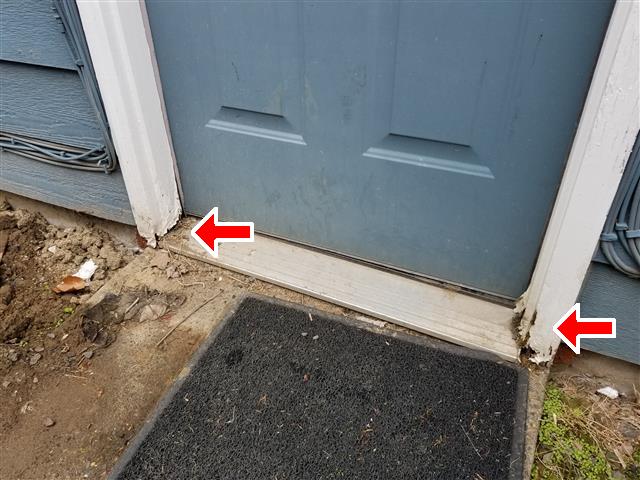
Dry Rot or Moisture Damage Soft, spongy trim needs a pro to look at it, so press it with a screwdriver, and if it sinks in easily, the wood is gone. Peeling or bubbling paint, dark streaks, or a musty smell all point to damage underneath.
Dry rot repair runs $100-2,000 by how far it has spread. With Seattle averaging 156 wet days a year, catching it early is everything, and a professional inspection finds the hidden trouble before it turns structural.
Structural Repairs Widespread cracks, shifting panels, or rot in the sheathing or framing all call for a pro. A botched repair can void warranties and make the problem worse.
Moderate structural repairs in Seattle usually run $1,500-2,800. A yearly pro inspection catches quiet issues, like a hidden leak or a weak board, before they cost real money.
Material Selection Strategy
Balance the sticker price against the long haul. Wood is cheapest to buy but asks for the most upkeep, while PVC and composite cost more up front and save you later.
Weigh your home’s age, how long you plan to stay, and your budget. In Seattle’s damp, quality caulk and weather-grade finishes cut how often you need repairs, and skimping there is a false economy.
Keep records of every repair and material — note what got fixed, what went into it, and how the contractor did. Before-and-after photos help you track upkeep and back any warranty claim.
For expert exterior trim repair across King County, call Seattle Trim Repair at (425) 517-1751 for a free on-site look and a detailed estimate.
Not sure how bad yours is?
Send a photo or describe the spot over the phone. We will tell you whether it is a patch, a section, or something structural before anyone comes out.
Mon–Fri, 7:00am – 5:00pm
Questions homeowners ask us about this
How do I decide whether to repair or replace exterior trim?
Why is composite trim better than wood for Seattle's weather?
What maintenance steps extend exterior trim life and lower repair costs?
When should I call a professional instead of DIY trim repair?
Read next
- Trim Repair
Cost of Trim Repair in Seattle
Seattle trim repair costs $321-$1,199 average. Minor fixes $120-$400, fascia $500-$1,200, full exterior trim $1,500-$5,000. Dry rot repair pricing explained.
- Trim Repair
Rotting Window Trim: Quick Repair Solutions
Learn how to identify, repair, and prevent rotting window trim to save money and maintain your home's integrity in damp climates.
- Dry Rot
What Causes Dry Rot in Pacific Northwest Homes?
Understand what causes dry rot in Seattle homes, from persistent rain to poor ventilation, and how to prevent structural damage with proven strategies.
Get a straight answer on your siding, trim, or rot
Free estimate, no obligation, and usually a slot the same week. We cover Seattle, Bellevue, Redmond, Kirkland, Bothell, and Tacoma.
Mon–Fri, 7:00am – 5:00pm · Free estimates · Same-week scheduling