
How Seattle Weather Impacts Siding Durability
Seattle's rainy, windy climate accelerates siding deterioration. Learn which materials last longest and how proper installation prevents costly damage.
By Seattle Trim Repair · Published · Updated
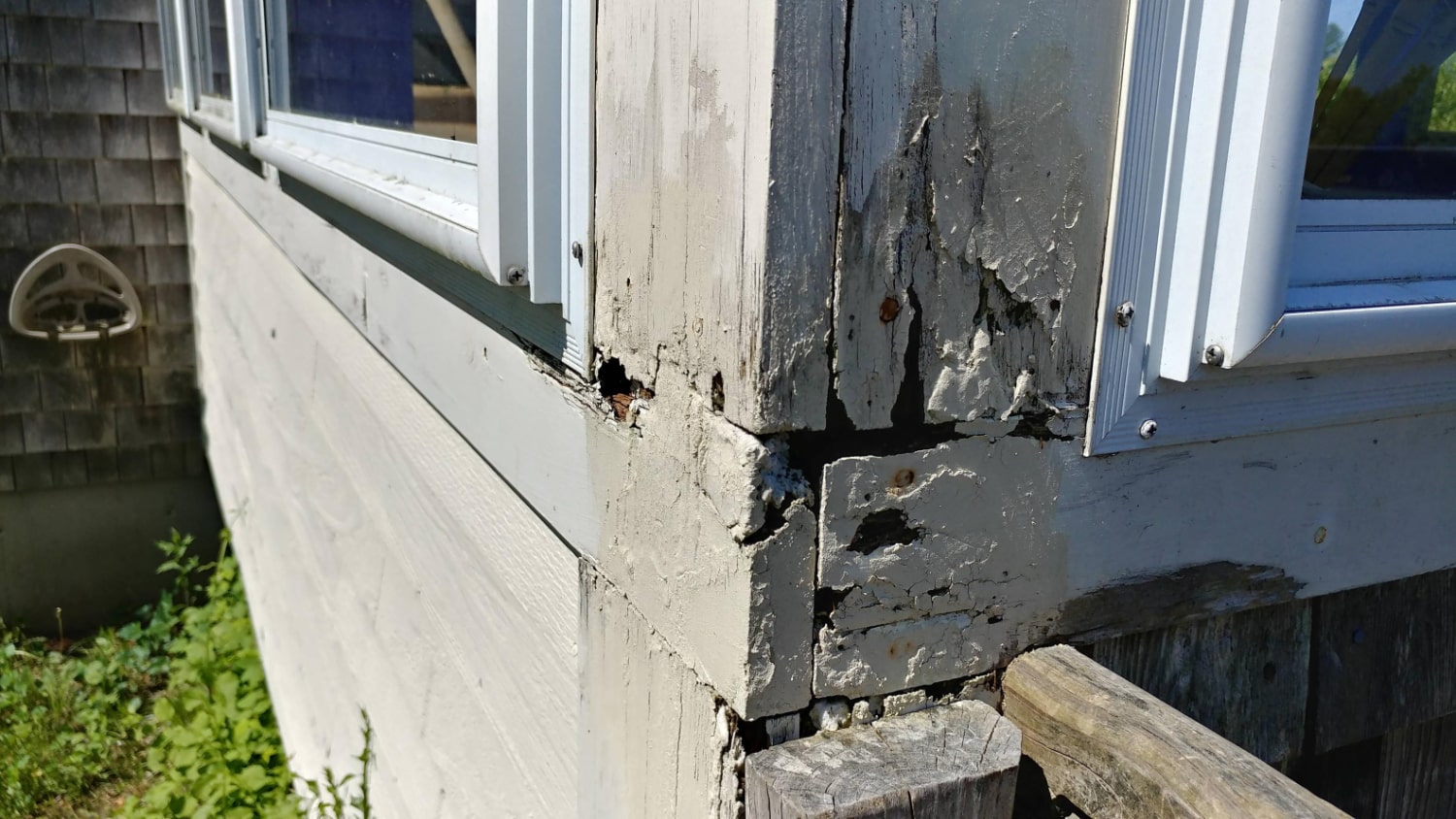
Seattle’s wet, gray climate is hard on exterior siding. We average over 156 rainy days and 37 to 39 inches of rainfall a year. That constant moisture drives rot, mold, and structural damage. In drier regions, siding simply ages in the sun; here it fights water year round, and the wrong material or a careless install gives way fast.
Freeze-thaw cycles, wind-driven rain, and shifting temperatures pile on extra stress, warping boards, cracking them, and working them loose. Here, the siding you choose and the crew who installs it matter more than almost anywhere. A proper install and steady upkeep are not optional; they are what keeps water out of your walls.
Climate Factors That Affect Siding in Seattle
Our climate is defined by steady moisture, not weather extremes. Steady rainfall, humid marine air, temperature swings, and coastal wind all wear on siding.
Rain and damp air are the main threats. Seattle gets about 39 inches of rainfall across 156 wet days a year. It is not a brief desert downpour, but a slow drizzle that soaks siding and keeps it damp for days. Wind then drives that moisture into spots that would otherwise stay dry, which breeds mold, mildew, and rot.
Wood siding is the most at risk. Once wood absorbs moisture past 20 percent, fungi and rot move in. Soaked siding can also bake under a burst of sun, turning trapped water into vapor that pushes deeper into the wall. That is why we build in drainage gaps and airflow behind the boards.
Temperature changes are mild here, but they still take a toll. Seattle typically runs from the mid-30s in winter to the mid-70s in summer, and the expansion and contraction that follows wears materials down over time. An occasional hard freeze, though rare, can leave vinyl brittle and prone to cracking on impact.
James Hardie® fiber cement is engineered for these cycles. It resists warping, shrinking, and swelling as temperatures shift, which makes it far more durable than materials that move with the weather. Wood sits in the middle: it can warp when trapped moisture freezes, especially if the boards were never properly sealed or ventilated.
Wind changes how rain interacts with the wall, forcing moisture into corners, joints, and the gaps around windows and doors. Trapped moisture also raises energy costs, because a wet wall no longer insulates. In Seattle, cooling loads can climb 17.6 percent and heating loads 16.2 percent once moisture infiltrates the wall assembly.
Strong seasonal winds work loose any panel that was not fastened securely, and coastal salt air corrodes metal fasteners and trim, slowly weakening the siding’s hold on the wall. The remedy is a ventilated gap of 1/16 to 3/8 inch between the siding and the water-resistive barrier — the wrap that keeps the wall dry — so any moisture that seeps through can drain and dry.
How Different Siding Materials Perform in Seattle Weather
Not all siding materials perform the same in our wet climate. Understanding how each one behaves helps you weigh durability, maintenance, and cost before you commit.
Cedar has a hard time in our damp environment. The persistent moisture off Puget Sound leaves it prone to mold, mildew, and rot, while summer UV exposure cracks and splits the boards and pests like termites and carpenter ants are drawn to the wood. Add 39 inches of annual rainfall, and cedar absorbs enough water to swell, warp, and buckle.
We do not paint cedar, and we tell homeowners so up front. Paint forms a film that bubbles and peels as moisture works through it, sealing the wood off from breathing. Semi-transparent stains perform better but need reapplication every three to five years, while solid stains last around five to seven years yet bury the grain that made you want cedar in the first place.
With diligent care — inspections twice a year, cleaning with oxygen bleach, and low-pressure washing under 1,200 PSI — cedar can last up to 30 years here. But once more than 25 to 30 percent of it has failed, we tell people to replace at $9 to $24 per square foot rather than keep patching.
Fiber cement is the material we reach for most in our wet climate. A blend of sand, cement, and cellulose fiber, it shrugs off rot, rust, and moisture, and it rates highly for fire resistance, heat, and flood durability. Unlike wood, it will not warp or crack as temperatures swing, it is non-combustible, and pests leave it alone.
Fiber cement now accounts for about 23 to 25 percent of new single-family installations. The panels are heavy and demand the right tools for a weathertight seal, so this is not a weekend project. Look for a 30-year warranty, and inspect the caulk around windows and doors twice a year. Installed, it typically runs $10,000 to $18,000 for 1,000 square feet.
Vinyl is a practical option for our rain. It naturally sheds water and resists rot, though it turns brittle in the cold and can warp under intense sun. Metal siding, in steel or aluminum, is extremely durable and stays stable without cracking or warping. Both handle high wind well when installed correctly.
Vinyl typically lasts 20 to 40 years, and metal 30 years or more. Vinyl installs at $3.50 to $8.50 per square foot and metal at $10.00 to $25.00. Both belong over a ventilated rain screen gap so moisture cannot collect behind them, and both need corrosion-resistant fasteners: 316 stainless near the shoreline, quality galvanized nails inland.
Even so, inspect them on a schedule. Check vinyl for warping and metal for scratches that break the protective coating and invite rust. That habit keeps both materials performing through our hardest weather.
Installation and Maintenance Practices for Seattle Siding
Even the best material fails if it goes on wrong. In our damp climate, the quality of the installation matters more than the label on the box — and honestly, this is where we see most of the failures we get called in to fix.
The key technique is a rain screen: a small air gap between the siding and the water control layer. It ranges from 1/16 inch for lap siding up to 3/8 inch for masonry, and it lets any moisture drain and dry. The Pacific Northwest National Laboratory tells installers to assume siding will leak at some point, so the drainage path gets built first.
Behind that gap, a well-installed water-resistive barrier is the second line of defense, keeping moisture off the sheathing and framing. Flashing matters most where the roof meets a wall; a kickout diverter there redirects runoff clear of the siding. On wood and fiber cement, we apply a six-side prime — coating the back and all four edges before installation — which adds a genuine layer of rot resistance.
Corrosion-resistant fasteners are essential. Use stainless steel within 3,000 feet of the shoreline and galvanized beyond that. Because marine air reaches well inland, we upgrade fasteners even on homes miles from the water, so they hold their grip for decades.
Inspect your siding twice a year: once in spring after the wet winter and again in fall before the rainy season returns. Look for hairline cracks in the caulk, soft spots, mold, mildew, and uneven fading. Start ten to 15 feet back to read the overall pattern, then move in and press on any suspect board to feel for a spongy area.
Clean the siding every one to two years to clear dirt, grime, and organic buildup. Skip chlorine bleach in favor of oxygen bleach, which is gentler on wood and safer for your plants while still killing mold and mildew. If pressure washing is necessary, stay under 1,200 PSI and hold the wand 18 to 24 inches off the wall.
Cedar needs re-staining every three to seven years, sooner on sun-baked walls. Fiber cement asks far less: simply inspect the caulk twice a year at windows, doors, and corners, where water finds its way in first.
Inspection is only half of it; addressing the weak spots quickly is the other half. The trouble areas are the trim at corners, windows, doors, and material transitions. The bottom courses near the ground and the boards beneath windows absorb the most moisture, so they rot first. Wind-driven rain forces moisture through any cracked caulk, and the resulting damage hides inside the wall.
A minor repair usually runs $120 and $400. Left alone, structural repairs can climb to $4,500 to $12,000. Catching a cracked seal early is the whole game — it saves thousands by keeping localized rot from spreading into a full replacement.
With 39 inches of rainfall and 156 wet days, your siding is the front line against moisture, rot, and structural decay. Water intrusion is the greatest risk, but UV exposure, freeze-thaw cycles, wind-driven rain, and pests all test its durability.
Choosing the right material is half the battle. Fiber cement resists both rot and fire, so it wins in our wet climate. Cedar looks better on an old Craftsman than anything else, but it demands re-staining every three to seven years. LP SmartSide® engineered wood splits the difference: more moisture resistance than natural cedar, with less maintenance.
Whatever you choose, the installation cannot be shortcut. A rain screen, a solid weather-resistive barrier, and corrosion-resistant fasteners are what hold moisture off the wall. Maintenance counts just as much: two inspections a year, spring and fall, catch a cracked caulk line or a soft spot before it becomes an expensive repair.
Small habits meaningfully extend the life of your siding: cleaning with oxygen bleach, keeping good clearance at the ground, and paying close attention to the areas around windows and doors. Once more than 25 to 30 percent of your siding shows failure, a full replacement is usually the smarter investment.
A seasoned crew brings tools and judgment a homeowner cannot match. We run moisture meters to find dampness hiding behind the boards, and we flash every transition point, because that is where unseen water does its worst structural damage.
For expert siding installation or repair in Seattle, visit /siding-repair/ or call (425) 517-1751.
Not sure how bad yours is?
Send a photo or describe the spot over the phone. We will tell you whether it is a patch, a section, or something structural before anyone comes out.
Mon–Fri, 7:00am – 5:00pm
Questions homeowners ask us about this
What type of siding works best for Seattle's rainy weather?
How often should I inspect my siding in Seattle's climate?
What are the signs that Seattle weather is damaging my siding?
How can I prevent moisture damage to my siding in Seattle?
Read next
- Siding Repair
Seasonal Siding Maintenance Guide for Seattle Homes
Essential seasonal siding maintenance tips for Seattle homes to prevent moisture damage and extend siding life in our rainy climate.
- Siding Repair
Best Siding for Seattle's Rainy Weather
Compare fiber cement, vinyl, wood, engineered wood, and metal siding for Seattle's wet climate—moisture resistance, maintenance, lifespan, and cost.
- Installation
Weather Resistance of Common Siding Materials Explained
Compare fiber cement, metal, vinyl, and engineered wood siding for Seattle weather. Learn which materials resist moisture best and last longest.
Get a straight answer on your siding, trim, or rot
Free estimate, no obligation, and usually a slot the same week. We cover Seattle, Bellevue, Redmond, Kirkland, Bothell, and Tacoma.
Mon–Fri, 7:00am – 5:00pm · Free estimates · Same-week scheduling