
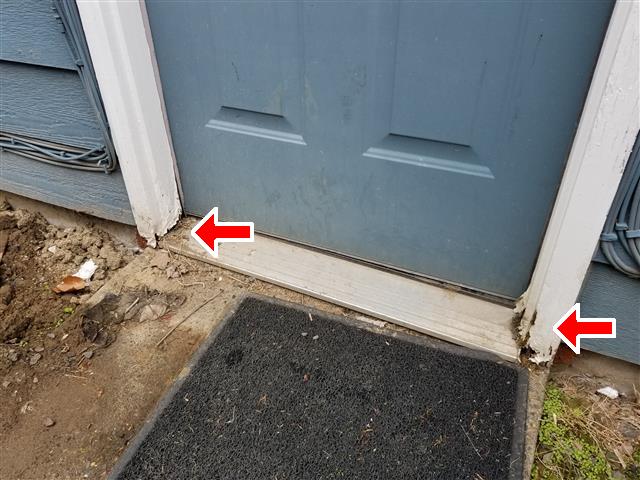
5 Signs Your Exterior Trim Needs Replacement
Learn the key warning signs that your home's exterior trim needs replacement to prevent costly structural damage and maintain curb appeal.
By Seattle Trim Repair · Published · Updated
When your exterior trim starts to wear out, it opens the door to bigger trouble: water damage, pests, and structural problems. Trim is the protective barrier around your windows, doors, corners, and fascia — the horizontal boards along the roof edge — and when it fails, the house behind it is exposed. Replacing damaged trim early saves money and keeps the damage from spreading into the sheathing, the wood panels under the siding.
Trim failure is not always obvious: you might see peeling paint or a small gap while underneath the wood is already going soft. In Seattle, with 39 inches of rain a year and constant damp, trim deteriorates faster than it would in a dry climate, so here are five signs your trim needs replacement, not just a fresh coat of paint.
Wood Rot and Decay
Wood rot is the biggest threat to exterior trim, and it starts when moisture sneaks into the wood, usually through peeling paint, cracked caulk, or a poor installation, then sets up the damp, still conditions fungus loves. Steady precipitation works into the wood and leaves rot behind: soft, crumbling spots that weaken the whole wall assembly.
Moisture is the root cause of rot in trim, and in a damp climate like Seattle it gets worse fast, especially where the protective seal has failed. Water hits an unsealed or damaged spot and the wood drinks it up like a sponge; leave that wet for more than 48 hours and rot sets in, then spreads. The fungus Serpula lacrymans, the dry-rot organism common in Pacific Northwest walls, becomes active once wood moisture content — the percentage of water held in the fibers — stays above 20 percent.
The signs are soft or spongy spots that give under light pressure, and the screwdriver test is the first thing we do on a call: press the tip into the wood, and if it sinks in easily, that is rot. Watch also for dark streaks, discoloration, peeling paint, and fuzzy patches or a musty smell, which indicate mold.
Left alone, rot weakens more than the trim; it reaches the structure behind it. As the decay spreads, the wood loses strength and starts to sag, warp, or fail outright. Worse, it can travel into the framing, window sills, and door jambs, turning a minor repair into a structural overhaul. Rotted trim also stops working as a moisture barrier, so water keeps reaching the weather-resistant barrier (WRB), the water-shedding wrap behind the siding, and the problems keep coming.
Rot hurts more than structure; it hurts appearance. Discolored, crumbling, or misshapen trim ruins the clean lines of a well-kept exterior, and warped or bowed boards signal deeper moisture damage underneath, both of which drag down curb appeal and can lower what the house is worth.
Rotted trim also invites pests in. Soft, decayed wood is an easy entry point for termites, carpenter ants, and other insects, and they are drawn straight to it, settle in, build colonies, and spread to other parts of the house. Ignore that and the pest damage stacks on top of the rot, and the bill climbs.
Cracked and Peeling Paint
Cracked and peeling paint is more than an eyesore; it means your home’s protective barrier has failed. Once paint cracks or peels, it leaves the wood underneath open to moisture, UV, and everything else the weather throws at it, and bigger problems follow.
The main threat from peeling paint is moisture: water gets into the exposed wood, the wood swells, and the swelling lifts more paint, a cycle that feeds on itself. In the Pacific Northwest, where rain is constant, even a hairline crack lets water in deep, and that is exactly what rot and mold need.
You might see dark streaks or discoloration, or feel a spongy texture when you press the trim, and those are moisture damage. What began as a paint touch-up can turn into full trim replacement if the wood stays wet. This is not just looks; the trim loses real strength.
Peeling paint is not just a surface issue. Once the wood is bare, structural damage follows: water softens the trim, rots it, and in time crumbles it, and in severe cases the decay reaches the framing or siding so a small repair becomes a large, expensive one. As the trim weakens, you see sagging, warping, or outright failure, and the house is more exposed than ever.
Even a little peeling makes a home look neglected, which hurts curb appeal and can cost you at resale, while fresh, well-kept paint does the opposite: it makes the house look sharp and tells everyone the property is cared for.
Bare wood is not only a moisture problem; it is a welcome mat for pests. Soft, unprotected wood draws termites, carpenter ants, and other insects, and they push the damage well past where it started.
Exterior paint on wood trim usually lasts five to seven years in normal conditions. In a wet climate, or with no upkeep, it fails sooner. Here is our rule of thumb: if you have repainted the same board twice, stop painting it. The paint is not the problem, the wood under it is, and replacing the trim will cost less than a third and fourth coat that never holds.
Bug and Insect Damage
Termites and carpenter ants are a serious threat to exterior trim, because they bore holes that weaken the wood, costing the trim both its strength and its appearance. Like rot or peeling paint, insect damage slowly eats away at the function and charm of your exterior.
These pests tunnel in and hollow the board out from the inside, so it loses strength while looking fine on the surface. A bad infestation leaves small holes and little piles of sawdust, a clear sign they are active, and when a board sounds hollow under a tap, we do not try to save it; it is done and needs to come out.
Insect damage usually travels with moisture. Damp wood, especially once it starts to rot, is a magnet for pests and easy for them to move into, a combination common in the Pacific Northwest, where the rain and humidity feed both the rot and the insects at once, particularly along fascia, window sills, and any trim sitting against wet sheathing.
Pest damage weakens the structure and hurts the appearance. Holes, uneven surfaces, and discoloration make an exterior look neglected and drag down curb appeal, and they can cost you on energy too, since damaged trim no longer seals the way it should.
Once pests are in the trim, they spread fast to nearby siding and even interior walls, because every gap, crack, and hole becomes an entry point for the next wave. Catching it early and acting fast is what keeps it from becoming a whole-house problem.
Warped and Buckled Trim
Past rot, peeling, and pests, warped or buckled trim is another stage of wear. When trim goes wavy, bows, or pulls off the wall, its protective job has failed. The shape changes because the wood takes on moisture unevenly, expanding and shrinking over and over until it never returns to true.
Moisture is behind most warping, because uneven absorption makes the wood swell in patches. In a rainy place like the Pacific Northwest it is common: the constant wet-then-dry cycle wears down the fibers until the trim can no longer hold its shape, especially where wood moisture content stays elevated through the long rainy season.
An early warning is failing caulk, which lets moisture in unevenly. Once water is behind the trim, the damage speeds up, and over time the structure weakens. Missing kickout flashing — the small diverter where a roof meets a wall — will dump roof runoff onto the same boards, which is why fascia and rake trim warp first on many Seattle houses.
Warped trim does more than look bad; it breaks down your home’s defenses. The gaps and weak spots it opens let water reach deeper into the structure, seeding rot, mold, and damage to the framing beneath. Left alone, the trim can come off entirely, exposing the wall and speeding the decline.
Those gaps cost energy too, letting drafts in and making the house harder to heat and cool, and like every other kind of trim failure, they give pests a way in.
Warped or buckled trim makes a home look neglected. Wavy, misaligned trim lines break the clean look of a cared-for exterior, they show from the street, and that costs curb appeal and can cost you at sale.
The cosmetic damage worsens with time: paint cracks and peels along the warped spots, leaving an uneven finish, and as trim pulls away from siding or window frames, the gaps get more obvious and the whole exterior looks worse.
Warped trim invites more than water. The gaps give termites, carpenter ants, and other wood-destroying insects an easy way in, and once inside they do serious harm to the wood and the structure under it.
Gaps and Loose Trim Pieces
One clear sign that trim needs replacing is visible gaps or pieces that have separated. When trim pulls apart, or shifts when you touch it, your home’s seal is broken and open to water and pests, and unlike the slow decline of rot or warping, a gap is a now problem.
Gaps and separated pieces are direct entry points for water, a fast lane for moisture into the house. Even a small opening lets enough in to start dry rot quickly, a real worry in Seattle, where 156 rainy days a year mean storm after storm.
What makes gaps worse is that most of the damage happens out of sight, behind the trim. When we see a gap or a loose piece, we assume it is worse behind than it looks out front, and opening the wall usually proves us right. Catch and fix it early, before it spreads into the WRB and the rainscreen gap — the vented air space behind the siding that is supposed to drain and dry, not sit wet.
Separated trim no longer protects what is behind it, so water gets to the structure. In time that rots the framing, the insulation, and other load-bearing parts, weakening the whole house. Let it go and the repair can run two to three times what it would have cost caught early.
Water from these gaps does not stop at the trim; it reaches deep into the framing and sheathing, creating hidden problems that get expensive to fix.
Beyond the structural risk, gaps and loose trim make a home look unfinished and poorly kept. They break the clean look of the exterior, so even a newer house reads as neglected, and to a buyer or appraiser that is a red flag for deferred maintenance that pulls down curb appeal and value.
The gaps from separated trim are an open door for pests, too: termites, carpenter ants, and other wood-destroying insects slip right through, build colonies fast, and do serious structural damage.
Spotting the five signs — wood rot, cracked and peeling paint, insect damage, warped and buckled trim, and gaps or loose pieces — helps you avoid a costly structural repair. Trim replacement usually runs between $2.50 and $8.00 per linear foot. Put it off and the cost climbs as the damage moves into framing or the interior. Acting early saves money and protects your home’s value.
Ignoring trim can also raise your energy bills. Damaged trim leaks conditioned air, so the HVAC works harder and the bill goes up. A yearly inspection catches most of this early: press the trim for soft spots, watch for paint that keeps peeling in the same place, and look for insect activity near any wood. If the trim needs repainting more often than every five to seven years, moisture or rot is likely underneath, and that is worth a professional look.
For Seattle homeowners, a professional evaluation is worth it, because with repair costs here typically ranging from $321 to $1,199, handling a problem quickly saves you from the far bigger structural bill down the road.
If you need exterior trim repair in Seattle, see /exterior-trim-repair/ or call (425) 517-1751.
Not sure how bad yours is?
Send a photo or describe the spot over the phone. We will tell you whether it is a patch, a section, or something structural before anyone comes out.
Mon–Fri, 7:00am – 5:00pm
Questions homeowners ask us about this
How can I tell if wood rot on my exterior trim is bad enough to need replacement?
How do I protect my home's exterior trim from moisture damage?
How do I know if pests are damaging my exterior trim?
What does it cost to replace exterior trim in Seattle?
Read next
- Dry Rot
5 Signs Your Seattle Home Has Dry Rot Damage
Learn to identify the top signs of dry rot in your Seattle home to prevent costly repairs and maintain structural integrity.
- Dry Rot
Dry Rot Prevention: 5 Ways to Stop Moisture Intrusion
Learn effective prevention strategies for dry rot caused by moisture intrusion. Professional inspections, maintenance schedules, and material choices.
- Trim Repair
Exterior Trim Repair Costs Seattle: 2026 Complete Guide
Seattle exterior trim repair costs $120-12,000 depending on scope. See material, labor, and climate factors driving King County pricing.
Get a straight answer on your siding, trim, or rot
Free estimate, no obligation, and usually a slot the same week. We cover Seattle, Bellevue, Redmond, Kirkland, Bothell, and Tacoma.
Mon–Fri, 7:00am – 5:00pm · Free estimates · Same-week scheduling