
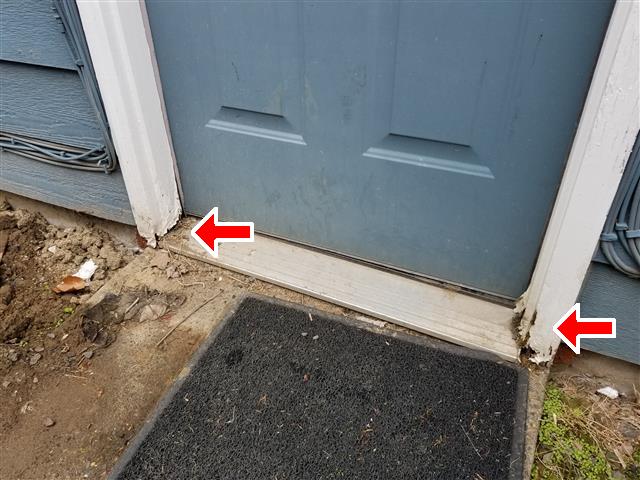
Seattle Trim Repair Cost Factors: What You'll Pay in 2026
Seattle trim repair costs $120-12,000 based on material, damage extent, and accessibility. Learn what drives pricing in King County's wet climate.
By Seattle Trim Repair · Published · Updated
Exterior trim repair in Seattle runs from $120 for a minor touch-up to $12,000 for heavy structural work. Most homeowners spend $500-2,800. That covers moisture damage and dry rot caught before it spreads.
Seattle gets 156 rainy days and 39 inches of rain a year. Trim around windows, doors, corners, and the roofline takes the worst of it. That is where cost piles up. Here is what drives the price, and how to estimate yours.
Cost Ranges by Project Scope
Minor Repairs: $120-400 Surface-level fixes on trim you can reach:
- Patch small cracks or holes with epoxy filler.
- Touch up paint on peeling sections.
- Recaulk gaps around windows and doors.
- Replace short sections of damaged trim at ground level.
This level fixes cosmetic problems, or early moisture damage caught before rot sets in. Matching the paint line is the hard part.
Moderate Repairs: $1,500-2,800 Targeted replacement of trim with rot or moisture damage:
- Replace window and door trim on the first floor.
- Replace corner boards on one or two corners.
- Repair a fascia board on a single roof section.
- Patch small areas of soffit.
This is the most common Seattle repair. Visible rot means a board or two has to come out. The damage has not reached the framing. Fix it now and you avoid a much bigger bill later.
Extensive Repairs: $4,500-12,000 Major projects with widespread damage or structural concerns:
- Replace rotted trim in multiple spots around the home.
- Replace fascia and soffit along the whole roofline.
- Repair sheathing or framing behind the trim.
- Do high-access work on multi-story homes that needs scaffolding.
- Restore a historic home to match original profiles.
A project gets this big for two reasons. Either the damage sat too long, or replacing it all at once beats paying for the same wall piece by piece.
Material Costs and Trade-offs
What you pick sets two numbers: what you pay now, and what you pay to keep it up. In a climate this wet, the second one catches people out.
Wood Trim Material cost: $0.60-10 per linear foot. Installation: $5-15 per linear foot total. Maintenance cycle: 3-5 years. Best for: historic homes where original look is the priority.
Wood is still the standard on Seattle homes built before 2000. It looks right and matches old craftsmanship, but our weather is hard on it. Window sills, lower trim, and north-facing boards rot first. Once they do, you replace the section rather than patch it.
Cedar fights decay better than pine or fir, and nothing looks better on a Craftsman. Choose wood and you sign up to keep it sealed with paint or stain, or water gets in. That upkeep schedule, not the sticker price, is the real decision.
PVC Trim Material cost: $2-30 per square foot. Maintenance cycle: 10-15 years. Best for: high-moisture areas like lower-level trim and spots around gutters.
PVC costs more up front but takes rot off the table. It does not soak up water, so we reach for it when the same board keeps failing. Think water-table trim (the band low on the wall), north-facing sills, and trim near downspouts.
PVC moves a little with temperature, but in Seattle’s mild climate that rarely matters.
Composite Trim Material cost: $0.80-15 per linear foot. Maintenance cycle: 15-20 years. Best for: balancing durability with a wood-like look.
Composite shrugs off moisture, rot, and insects. It reads more like real wood than PVC. It costs more to start, but in this climate it pays that back in upkeep you never do. For a whole-house trim job, never doing another rot repair beats the higher first bill.
Labor Costs in the Seattle Market
Labor is 50-70 percent of any trim bill. Seattle crews charge $65-105 per hour.
Standard Labor Rates
- Basic trim repair: $65-85 per hour.
- Complex or precision work: $85-105 per hour.
- Historic restoration specialists: $90-120 per hour.
A standard window trim swap takes 3-4 hours. That is $195-420 in labor before a single board is bought. Add more boards, corner details, or tight fitting, and the hours climb.
Accessibility Premiums Work above 10 feet or work that needs extra gear adds cost:
- Scaffolding rental: $150-500 for basic setups.
- Lift equipment: $300-800 for projects that need extra reach.
- Safety gear and insurance: 10-15 percent markup on high-access jobs.
Second-story window trim or fascia work can cost twice the labor of the same job at ground level. The fascia is the board along the roof edge that carries your gutters.
Hidden Costs: What Lies Behind the Trim
Seattle’s moisture rarely stops at the trim you can see. When we pull a rotted board, we assume the damage runs further than it looks. It usually does. Behind the trim we often find:
Sheathing Damage Water that gets past failed trim soaks into the sheathing. Those are the flat panels that skin the framing under your siding. Replacing wet sheathing adds $2-6 per square foot, depending on how much of it and how hard it is to reach.
Framing Rot In bad cases the water reaches the framing, the structural lumber itself. That is carpentry at $45-85 per hour plus materials. It can add $500-3,000 to a job first quoted as simple trim.
Flashing Failures Flashing is the thin metal that steers water away from a seam. When it is missing or installed wrong around a window or door, that seam leaks. Adding it correctly during a repair runs $50-150 per opening and heads off the next round of rot.
Paint or Finish Damage Damage usually spreads past the rotted board. You repaint a wider area to make the patch disappear. A full exterior repaint on an average Seattle home runs $3,000-8,000 when the damage is that widespread.
Set aside 15-25 percent of the budget for what is hiding behind the trim. If your home went up before 1990, or the visible damage is already bad, plan for the high end.
Seattle Climate Considerations
The region gets 39 inches of rain across 156 wet days. That water makes trim fail in predictable places.
High-Risk Locations
- North-facing walls: limited sun keeps moisture from drying.
- Window sills: water running down glass seeps into horizontal trim.
- Lower trim near grade: splash-back from rain and sprinklers.
- Corner boards: vertical joints trap water.
- Fascia and soffit: gutter overflows soak roofline trim.
Repairs in these spots should include moisture upgrades:
- Proper flashing: $50-150 per opening.
- Drip edges: $3-8 per linear foot.
- Better caulk and sealants: $100-300 for high-quality products.
- Gutter improvements: $200-800 to stop overflow.
These upgrades cost a little more now. They are also the difference between a repair that holds and one you pay for twice.
Timing and Cost Optimization
Best Times for Trim Repair
- Late spring (May-June): dry enough for repairs, before peak summer pricing.
- Early fall (September-October): good weather, lower demand than summer.
- Avoid winter (November-March): weather delays stretch timelines and costs.
Booking in a shoulder season can save 10-20 percent against peak summer, when every crew in town is already busy.
Bundling Savings Combining trim repair with related exterior work cuts setup costs:
- Trim repair + exterior painting: 10-15 percent savings on the combined project.
- Trim repair + gutter replacement: share scaffolding costs.
- Trim repair + window replacement: coordinate moisture barrier work.
We discount bundled work, and most good contractors do. One setup and one cleanup covering several jobs is cheaper to run.
DIY vs. Professional Decision Framework
DIY-Appropriate Projects
- Ground-level trim repairs.
- Surface patching with epoxy filler.
- Caulking and paint touch-ups.
- Replacing short straight sections of simple trim profiles.
Doing basic trim work yourself saves that $65-105 per hour in labor. The hard parts are matching an existing profile, making joints disappear, and sealing out water. Those take skill and the right tools.
Hire Professionals For
- Work above 10 feet that needs scaffolding.
- Structural repairs that affect framing or sheathing.
- Complex profiles on historic homes.
- Jobs where the rot extent is unknown.
- Projects that need permits in Environmentally Critical Areas.
Our climate hides how far damage has spread. A job that looks like simple trim swapping often opens up to sheathing or framing rot. That is carpentry past most DIY skill. Trim installed wrong lets water in at the seams. Fixing that later costs far more than doing it right the first time.
Permit Requirements and Costs
When Permits Are Required
- Projects over $6,000 in fair market value (materials + labor at professional rates).
- Work that affects the building envelope or structural elements.
- Repairs in Environmentally Critical Areas (steep slopes, flood zones).
Permit Costs
- Standard permits: $50-300.
- ECA properties: $200-500.
- Historic districts: $300-900 with extra review.
Build 2-4 weeks into your timeline for permit approval. Skipping a required permit tends to surface during a home sale. It stalls talks and can knock down your price.
Long-Term Value Calculation
Consider total cost of ownership when choosing materials and repair scope.
Wood Trim 30-Year Cost
- Initial repair: $2,000.
- Repainting every 5 years × 6 cycles: $3,600-7,200.
- Repeat repairs on rot-prone sections: $1,000-3,000.
- Total: $6,600-12,200
Composite Trim 30-Year Cost
- Initial repair: $3,000 (50 percent more than wood).
- Minimal upkeep: $500-1,000.
- Total: $3,500-4,000
Composite costs more up front. Over the long run in this climate, lower upkeep and zero rot repairs make it the cheaper wall.
Getting Accurate Estimates
Information to Provide Contractors
- Photos of damaged trim from multiple angles.
- Home age and architectural style.
- Known moisture issues or previous repairs.
- Access notes (steep slopes, landscaping).
- Urgency and project timeline.
Questions to Ask
- How do they handle hidden damage found during work?
- What moisture prevention measures are included?
- Material warranties and labor guarantees?
- Payment schedule and change order process?
Get three written estimates. Each should itemize materials, labor, permits, and contingency. The lowest bid often wins by leaving out work you cannot see, like tracing the leak and cutting rot back to sound wood. Check credentials, insurance, and Seattle-area references before you sign.
For exterior trim repair anywhere in King County, call Seattle Trim Repair at (425) 517-1751. We will come out, look at your home, and give you a free, detailed estimate built around what we actually find.
Not sure how bad yours is?
Send a photo or describe the spot over the phone. We will tell you whether it is a patch, a section, or something structural before anyone comes out.
Mon–Fri, 7:00am – 5:00pm
Questions homeowners ask us about this
What is the typical cost to replace rotted wood trim on a Seattle house?
How much does it cost to repair vs. replace exterior trim in Seattle?
What factors increase trim repair costs beyond basic material and labor?
When should I choose composite or PVC trim over wood for repairs?
Read next
- Trim Repair
Cost of Trim Repair in Seattle
Seattle trim repair costs $321-$1,199 average. Minor fixes $120-$400, fascia $500-$1,200, full exterior trim $1,500-$5,000. Dry rot repair pricing explained.
- Trim Repair
Exterior Trim Repair Costs Seattle: 2026 Complete Guide
Seattle exterior trim repair costs $120-12,000 depending on scope. See material, labor, and climate factors driving King County pricing.
- Trim Repair
Rotting Window Trim: Quick Repair Solutions
Learn how to identify, repair, and prevent rotting window trim to save money and maintain your home's integrity in damp climates.
Get a straight answer on your siding, trim, or rot
Free estimate, no obligation, and usually a slot the same week. We cover Seattle, Bellevue, Redmond, Kirkland, Bothell, and Tacoma.
Mon–Fri, 7:00am – 5:00pm · Free estimates · Same-week scheduling